Creating a home office that balances relaxation with productivity can transform the way you work from home. Whether you are new to remote work or looking to improve your current setup, having a space that supports focus and comfort is essential. This guide offers practical tips to help you create an environment where you can work efficiently without losing your sense of calm.
Choose the Right Location
Consider Natural Light
Position your desk near a window if possible. Natural light reduces eye strain and enhances mood, making it easier to stay alert and motivated. If natural light is limited, invest in good quality artificial lighting that mimics daylight.
Minimize Distractions
Choose a quiet corner of your home where you’re less likely to be interrupted. Avoid high-traffic areas like the kitchen or living room to help maintain focus during work hours.
Invest in Comfortable, Functional Furniture
Ergonomic Desk and Chair
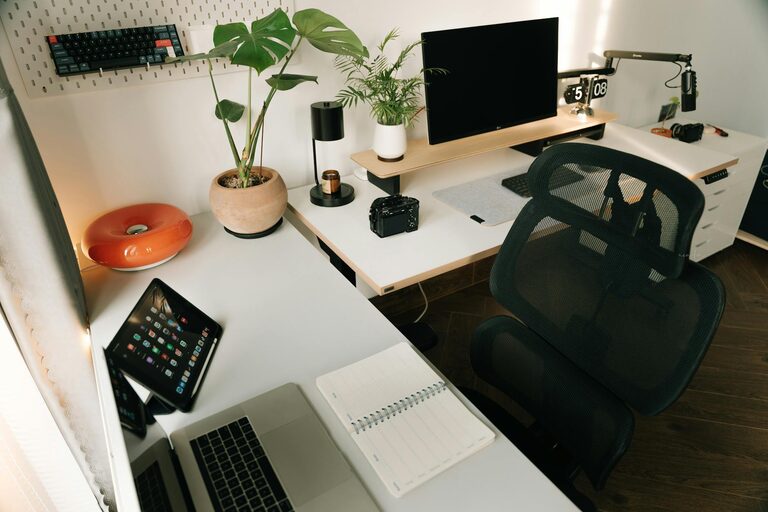
Comfort is key for long work hours. An ergonomic chair that supports good posture can prevent back and neck pain. Pair this with a desk at the right height for your body and equipment.
Keep Essentials Within Reach
Arrange your most-used items such as computer accessories, notebooks, and pens within easy reach. This reduces unnecessary movement and helps you stay organized.
Optimize Your Workspace Layout
Declutter Regularly
A tidy desk promotes clear thinking. Keep only the essentials on your surface and store other items in drawers or shelves.
Personalize Your Space
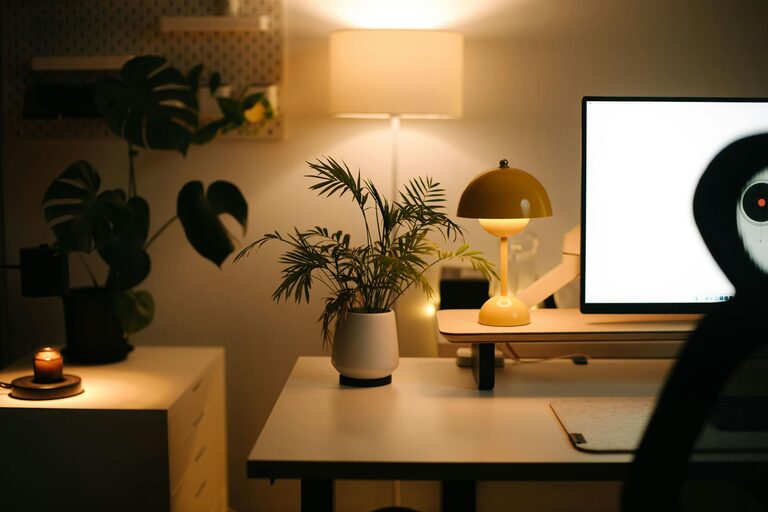
Add a few personal touches like plants, photos, or artwork. These elements can boost comfort and provide visual breaks without cluttering the space.
Control Ambient Noise and Temperature
Use Noise-Canceling Tools
If your environment is noisy, consider noise-canceling headphones or a white noise machine to improve concentration.
Maintain a Comfortable Temperature
Adjust your room’s temperature to a comfortable level. Being too hot or too cold can distract you and reduce productivity.
Incorporate Break Areas and Movement
Schedule Breaks
Set reminders to step away from your desk for short breaks. Stretching or a quick walk can refresh your mind and body.
Create a Separate Relaxation Spot
If space allows, designate a small area for relaxation. Use this spot for breaks, reading, or light meditation to help reset your focus.
Use Technology Wisely
Invest in Quality Equipment
Reliable internet, a good monitor, and a functional keyboard and mouse can streamline your workflow.
Keep Digital Files Organized
Use folders and cloud storage to keep your work files neat and accessible. Back up your documents regularly.
Improve Air Quality and Add Greenery
Ventilate Your Space
Open windows when possible to allow fresh air circulation. Good air quality supports better concentration and well-being.
Add Indoor Plants
Plants improve air quality and add a soothing natural element to your office. Choose low-maintenance varieties like succulents or snake plants.
Personal Wellness and Routine
Maintain a Work Schedule
Set clear start and end times to balance work and personal life. Consistency can enhance productivity and reduce burnout.
Practice Mindfulness or Relaxation Techniques
Incorporate short mindfulness exercises or deep breathing to stay centered during demanding tasks.
—
By thoughtfully designing your home office with these tips, you can create a peaceful and efficient workspace tailored to your needs. A well-planned office not only supports productivity but also fosters a positive mindset throughout your workday.