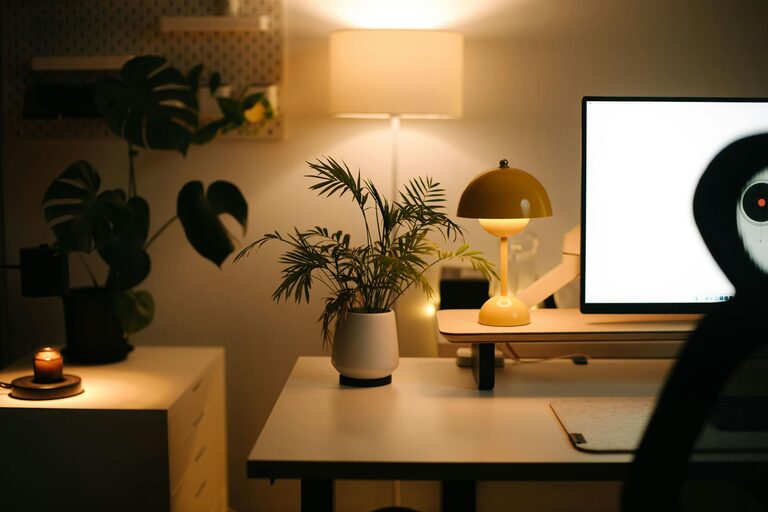
Creating a home office space that is both cozy and productive can significantly improve your work-from-home experience. Whether you’re setting up a new workspace or refreshing an existing one, thoughtful planning and design can make a big difference in how efficiently you work and how comfortable you feel. In this post, we’ll cover practical tips for transforming any room or corner into a functional and inviting home office.
Why a Cozy and Productive Office Matters
Working from home can blur the lines between personal and professional life. A well-designed office space encourages focus, reduces stress, and promotes better work habits. When your workspace is comfortable and organized, you’re more likely to stay motivated and maintain a healthy work routine.
1. Choose the Right Location
Consider Natural Light
Select a spot with good natural light. Studies show natural light improves mood and boosts productivity. Position your desk near a window if possible, but avoid glare on screens.
Minimize Distractions
Pick a quiet corner or room away from high-traffic areas. If you live with others, communicate your working hours and the importance of minimizing interruptions.
2. Invest in Comfortable and Functional Furniture
Ergonomic Chair
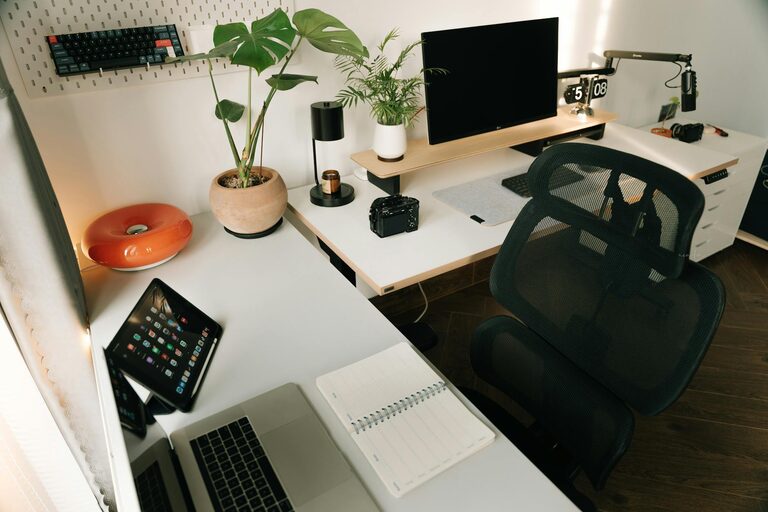
A supportive chair can prevent back and neck pain during long hours of work. Look for adjustable chairs with lumbar support.
Desk Size and Shape
Choose a desk that fits your space and gives enough room for your computer, documents, and other essentials. Consider L-shaped desks if you need extra surface area.
Standing Desk Options
If you want to reduce sedentary time, try a sit-stand desk or a converter to alternate between sitting and standing.
3. Plan Your Layout for Productivity
Keep Essentials Within Reach
Organize your workspace so that frequently used items like stationery, notebooks, and chargers are easily accessible.
Cable Management
Use cable clips or sleeves to keep cords tidy and prevent clutter. This helps maintain a clean workspace and reduces frustration.
Storage Solutions
Incorporate shelves, drawers, or filing cabinets to store documents and supplies. A clutter-free desk promotes focus.
4. Add Cozy Elements
Soft Textiles
Include a cozy rug, throw blanket, or cushions to add warmth and comfort. Soft textiles also improve acoustics by dampening sound.
Plants
Adding greenery can boost your mood, increase creativity, and improve air quality. Choose low-maintenance plants like succulents or pothos.
Personal Touches
Incorporate items that make your space inviting, such as artwork, photos, or inspirational quotes. Keep it thoughtful and avoid over-cluttering.
5. Optimize Lighting
Layered Lighting
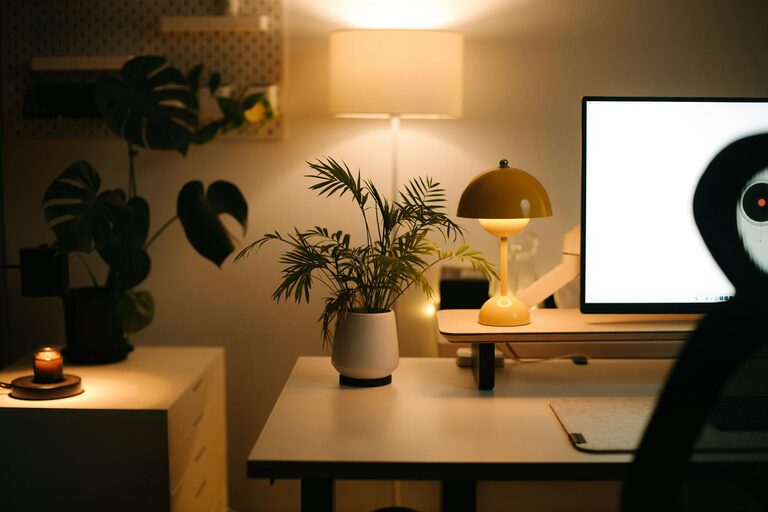
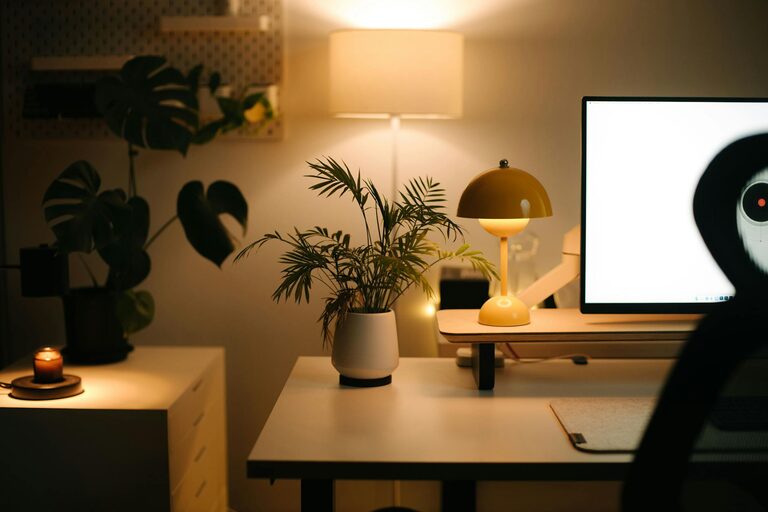
Combine natural light with ambient lighting and task lighting. Use desk lamps with adjustable brightness for focused work.
Avoid Harsh Lighting
Stay away from overhead fluorescent lights that may cause eye strain. Warm LED bulbs create a more soothing atmosphere.
6. Control Noise and Distractions
Use Noise-Canceling Headphones
If noise is an issue, headphones can help you concentrate by blocking background sounds.
Soundproofing Tips
Soft furnishings, curtains, and rugs absorb noise. If possible, install weather stripping on doors or use room dividers to reduce noise transfer.
7. Maintain Organization and Routine
Daily Clean-Up
Spend a few minutes at the end of each workday tidying your desk. A clutter-free space invites a fresh start the next day.
Use Organizers and Labels
Drawers, trays, and boxes can keep materials sorted and easy to find. Label containers for quick identification.
8. Tech Setup for Efficiency
Reliable Internet Connection
A strong and stable internet connection is crucial for smooth remote work.
Monitor and Accessories
Consider an external monitor to increase screen space. Invest in a good keyboard and mouse for comfort.
Backup Plans
Have a backup charging cable, power strip, or portable battery to avoid interruptions.
9. Take Breaks and Move Around
Your cozy office should invite not only work but also well-being.
– Set reminders to stand, stretch, or walk periodically.
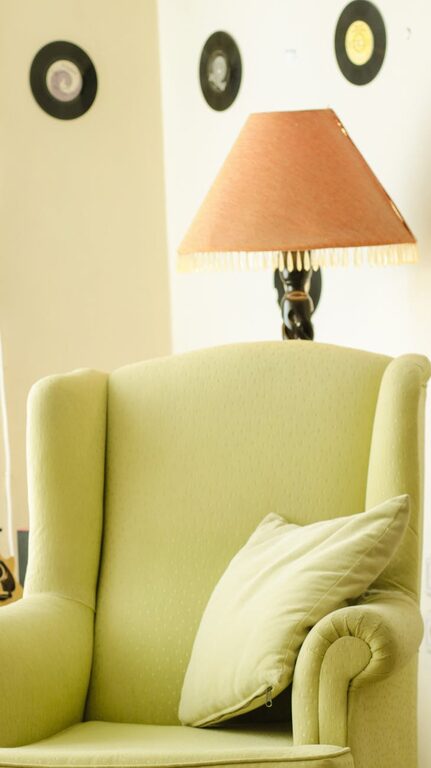
– Include a comfortable chair or corner for short breaks and relaxation.
Final Thoughts
Designing a home office that balances coziness and productivity may take some experimenting, but the payoff is well worth it. By choosing the right location, investing in ergonomic furniture, adding personal touches, and keeping your space organized, you create an environment that supports effective work and comfort. Tailor these tips to your needs and preferences for the best results.
Remember, your home office should be a space where you can focus, feel comfortable, and enjoy your workday. Happy decorating!